
The effects of the continent’s coming polls will be felt far and wide – and could well turn into ‘key tests’ of the bloc’s resilience
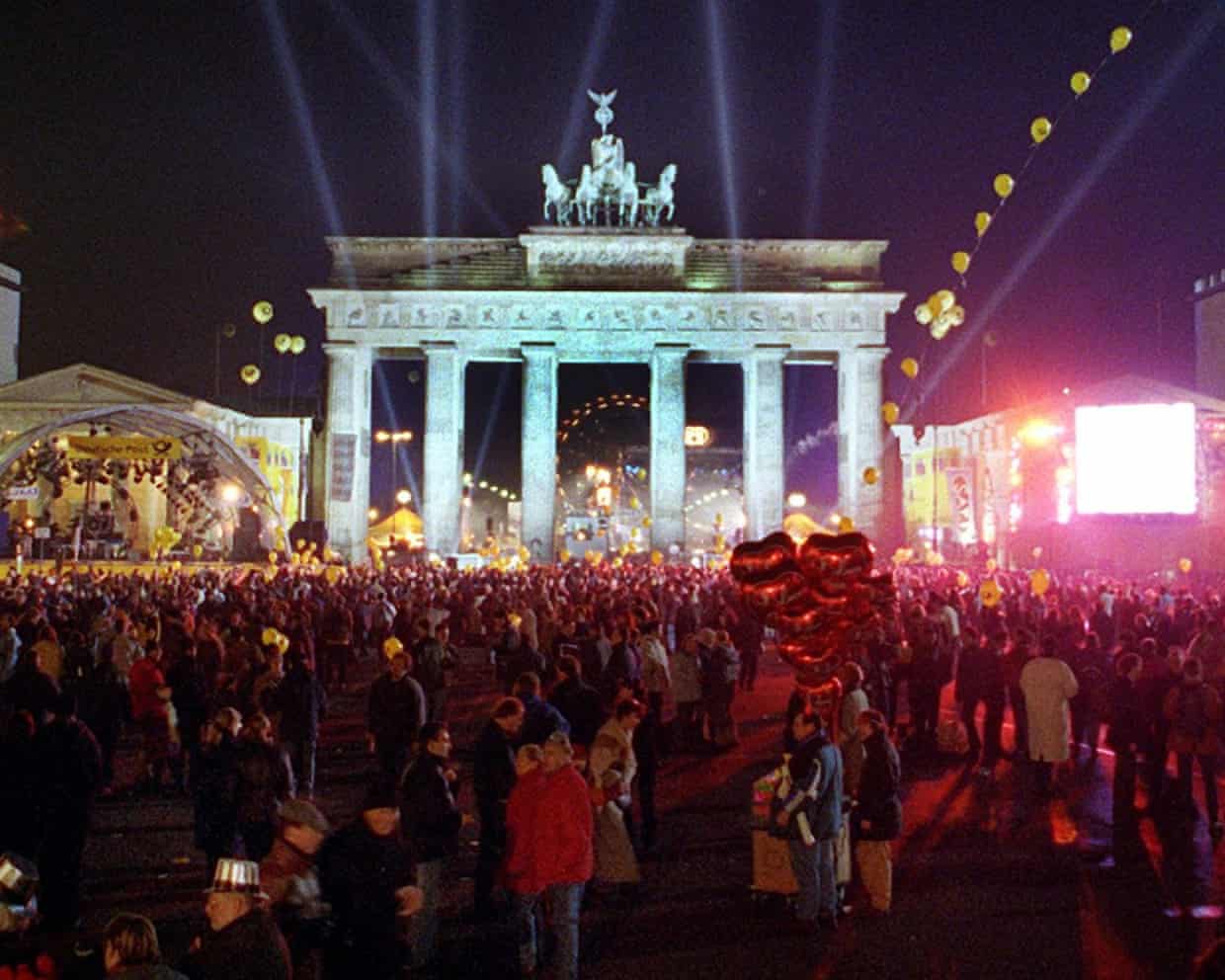
In late 1998, Tony Blair was prime minister of Britain, Lionel Jospin was prime minister of France, and Gerhard Schröder had just been elected chancellor of Germany. The EU had 15 member states and pro-European, centre-left parties were in power – either alone or in coalitions – in all but two of them.
Brisk economic growth was lifting living standards. Eastward enlargement was under way. In Washington, Bill Clinton was pursuing the same brand of “third way” centrism as a middle path between free-market capitalism and traditional socialism. The EU felt like it had the tide of history behind it.
Not quite three decades later, the continent’s politics once again seem to be tilting in a single direction – except this time, the momentum appears to belong to the nationalist far right, and could bring a significant unpicking of the postwar European consensus that built the EU.
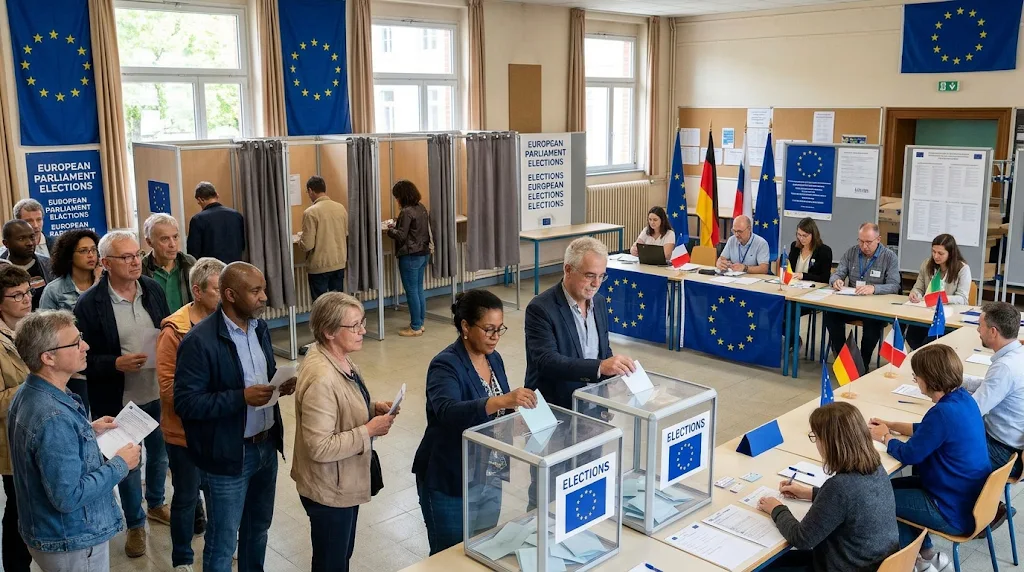
Between the end of this month and the end of next year, an extraordinary electoral sequence will sweep the bloc. Voters in four of the EU’s five biggest member states, by population and economy, head to the polls, with parliamentary elections also due in Estonia, Finland, Greece and Slovakia, and regional ballots in Germany.
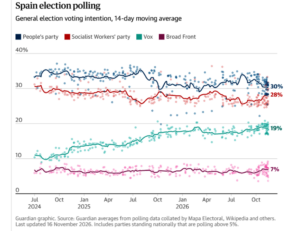
Spain kicks off the cycle with a snap general election on 29 November, with prime minister Pedro Sánchez’s socialist coalition facing probable defeat to rightwing parties in the shape of the conservative People’s party (PP) and far-right Vox, which already govern together in some Spanish regions.
Next come presidential and parliamentary elections in France in the spring. The clear frontrunner in the presidential race is Marine Le Pen of far-right the National Rally (RN), well ahead of the far-left firebrand Jean-Luc Mélenchon and a hopelessly divided mainstream opposition.
When Poland votes later next year, nationalist parties that between them command nearly half the national vote could well unseat the liberal coalition of prime minister, Donald Tusk, despite recent splits. And in Italy, Giorgia Meloni, whose Brothers of Italy party has far-right roots, hopes to secure a second term in elections due before the end of 2027 – while facing pressure on her right flank from the upstart National Future party.
Paradoxically, this nationalist surge arrives amid strong public support for the EU. Shocked by the chaos of Brexit and seeking reassurance in an increasingly alarming world, a record 74% of Europeans say their country benefits from membership, and very few Eurosceptic parties now advocate leaving outright.
The Eurosceptics and nationalists do, however, still view the bloc as a top-down project that undermines national sovereignty, and aim to transform it into an altogether looser association of sovereign nation-states. In the words of the Italian political scientist Natalie Tocci, that means this coming electoral supercycle could “dramatically change the face of Europe” – triggering not simply “a slow erosion of the European project but a hollowing out, if not an outright implosion”.
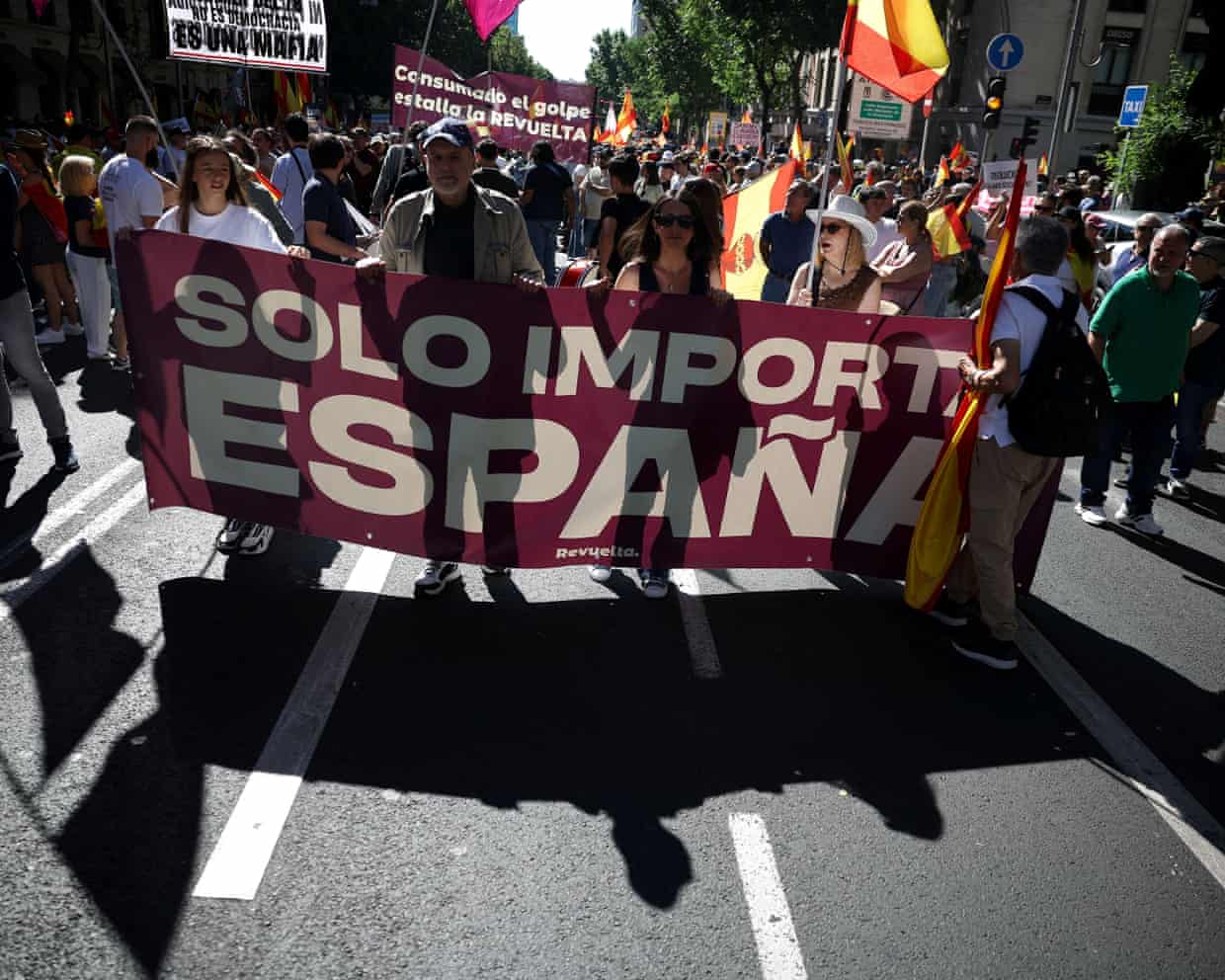
All elections differ and national specifics loom large. But analysts agree the underlying forces at work here are connected: sluggish growth, ageing populations, strained public finances and a spiralling cost of living have chipped away at support for Europe’s traditional catch-all centre-left and centre-right parties. The wave of youth-led protests sweeping Europe is only the most visible sign of deep voter discontent.
Meanwhile, nationalist parties have become increasingly adept at conjuring and exploiting an ever-evolving list of supposed threats and crises, from migration and vaccines to the green transition, support for Ukraine, globalisation, international elites and supranational institutions – narratives bolstered by Russian disinformation and overt backing for “patriotic” parties from Donald Trump’s White House. As a result, politics has fragmented, and polarised: nearly one in four voters now backs far-right parties – a share that has grown almost fivefold since the mid-1990s. -The Guardian